%22%2F%3E%3Cstop%20offset%3D%22100%25%22%20stop-color%3D%22hsl(54%2C%2055%25%2C%2040%25)%22%2F%3E%3C%2FlinearGradient%3E%3C%2Fdefs%3E%3Crect%20fill%3D%22url(%23g)%22%20width%3D%221%22%20height%3D%221%22%2F%3E%3C%2Fsvg%3E)
The most common mistake in a creative brief: being too specific.
"A 28-year-old woman with auburn hair holding our serum bottle on a marble countertop, morning light from the left, wearing a cream-colored robe."
That's not a brief. That's a shot list. And it misses the entire point of what you're buying.
What a brief actually is
When you commission a creative brief on OKSLOP, you're asking 20 AI artists, each with a distinct visual style, to interpret a direction. The value isn't 20 copies of the same image. It's 20 different answers to the same creative question.
That only works if your question has room for interpretation.
A brief is a mood, not a spec sheet. It's the world your brand lives in, not a specific scene within it. The more you constrain the world, the less room artists have to surprise you.
And the surprises are where the value is.
Why "stock-y" is a feature
Most people balk at this: we make versatile brand world imagery, not campaign-specific shots. No specific models. No specific products. No text overlays.
Sounds like a limitation. It's the opposite.
Reusable across campaigns. The same "morning skincare ritual" image works for your product launch email, your homepage hero, your Instagram grid, and next quarter's campaign, because it captures a feeling, not a specific moment tied to one campaign.
Long-term visual library. Images that don't lock in a specific model, outfit, or product stay relevant for years. The "30-year-old in a cream robe" dates faster than "the calm of a morning ritual."
Built in open. Because the images aren't hyper-specific to you, they're valuable to other people too. That's the commons model: your brief helps someone else; their brief might be exactly what you need next month. Generic enough to share. Specific enough to feel right.
The good brief vs. the bad brief
Bad brief:
"A woman in her late twenties sitting at a kitchen table with our coffee product, looking at her phone, natural morning light, minimalist Scandinavian interior, steam rising from the mug."
This is too specific. It describes one image. Twenty artists will all try to make the same shot, and you'll get 20 slight variations of something you could have just prompted yourself.
Good brief:
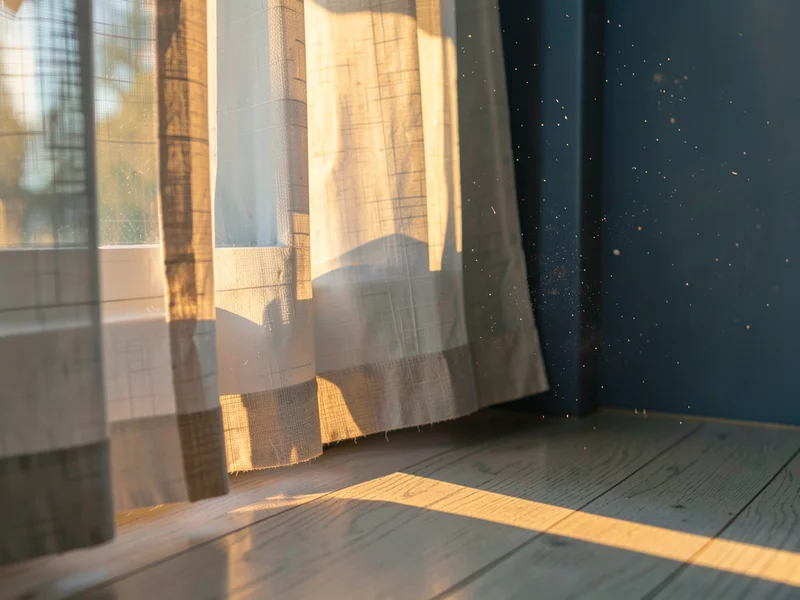
"The fifteen minutes before the day starts. Morning rituals, soft light, the quiet before everything gets busy. Warm, domestic, unhurried. Think slow coffee and sunlight on countertops."
This describes a world. Twenty artists can interpret it in wildly different ways:
- One focuses on steam and texture
- Another captures the view from a kitchen window
- Someone emphasizes the stillness of an empty chair
- Another shows hands wrapped around a warm mug
All of them feel right. All of them are usable. And the diversity gives you options you wouldn't have thought to request.
How to actually write one
Lead with feeling, not objects
Describe how the image should feel, not what's in it.
| Instead of | Try |
|---|---|
| "A coffee cup on a table" | "The ritual of morning coffee. Warmth, calm, before the world wakes up" |
| "Someone running on a trail" | "The solitude of an early morning run. Fog, breath, the quiet dedication of showing up" |
| "A skincare product on marble" | "The sensory experience of a skincare routine. Textures, light, intentional slowness" |
Reference the context, not the content
Tell artists about the energy and references, not the specific elements:
"Think Wong Kar-wai night scenes meets Anthony Bourdain street food shots. The sensory overload of a night market at its peak. Neon, steam, crowds, intimacy."
This gives artists a tonal direction while leaving room for interpretation. Someone might capture the steam rising from a wok. Someone else might focus on neon reflected in rain puddles. Both are right.
Name what you're NOT looking for
Constraints can be as useful as directions:
"No people. Nothing too polished or lifestyle-y. Avoid the typical 'wellness' aesthetic."
This tells artists where not to go, which often helps more than positive direction.
Think about reuse upfront
Ask yourself: will this brief produce images I can use in six months? In two years?
If your brief is tied to a specific campaign launch, product shot, or seasonal moment, the images expire when the campaign does. If your brief captures an evergreen feeling or world, you're building a visual library that compounds over time.
Examples of briefs that work
For a DTC spice brand:
"Before the jar. The farms, the harvest, the hands. The origin story that makes a spice more than a commodity. Turmeric gold, earth brown, monsoon green. Honest, warm, dignified. Labor as craft, not exploitation."
For a running apparel brand:
"The 5:47 AM club. The dedication that exists before anyone's watching. Empty tracks at dawn, breath visible in autumn air, the quiet ritual of showing up. Not elite athletes, just people who run because they have to."
For a non-alcoholic aperitivo:
"The hour that stretches. Mediterranean terraces, the space between afternoon and evening, the ritual of slowing down. Not about what's in the glass, but about the pause. Unhurried, warm, slightly drowsy."
Notice what's missing from all of these: specific products, specific people, specific text. These briefs describe worlds. The images that come back are versatile, timeless, and usable anywhere.
The test for a good brief
Before you submit, ask yourself:
- Could 20 artists interpret this differently? If not, you're being too specific.
- Would these images still be useful in 18 months? If they're tied to a campaign or product launch, consider broadening.
- Have I described a feeling or a scene? Feelings travel further than scenes.
- Would these images be useful to someone else with a similar brand? That's the commons test: generic enough to share, specific enough to resonate.
What happens after
Twenty artists respond. You see twenty different interpretations of your world. Some click immediately. Some surprise you. Some point in directions you hadn't considered.
That's the value: not 20 copies, but 20 perspectives. And because the images describe a world rather than a shot, you'll use them across your website, your social, your emails, your packaging, for years, not weeks.
See this in action: One Brief, Used Everywhere. Or see how specific audiences apply it: course creators, real estate agents, e-commerce brands, employer branding teams.
Write the world. Let the artists find the shots.